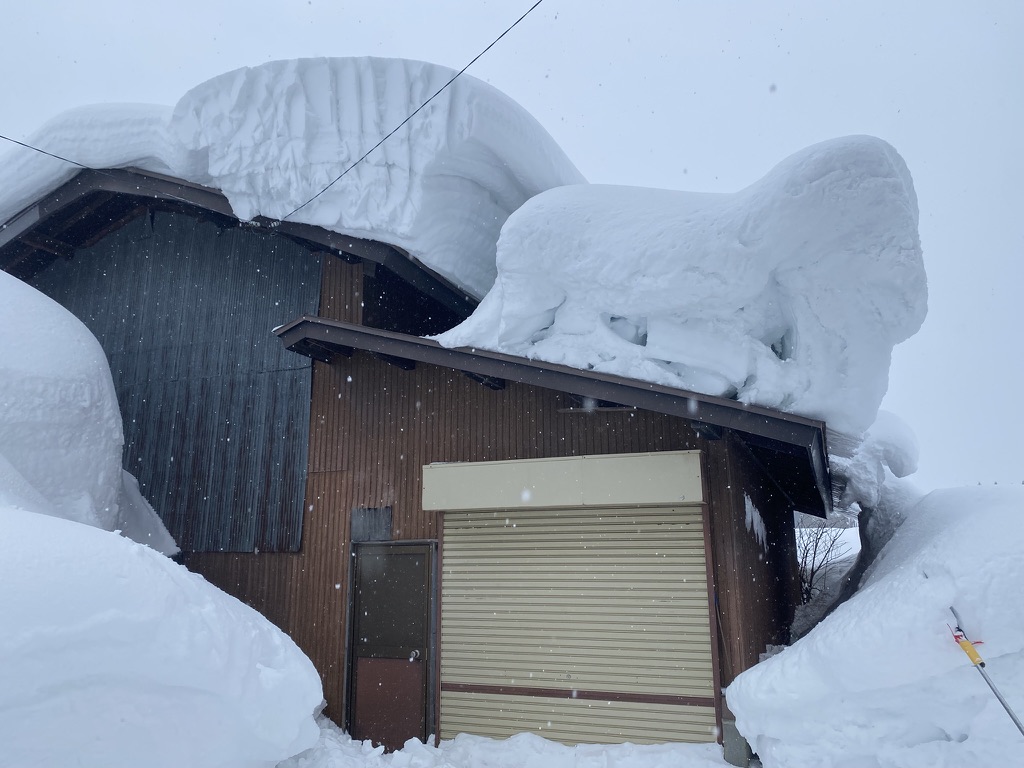
Hidden
The kura had been hidden behind later additions for many years.
A hidden building brought back into view and given a new life.
The original storehouse was enclosed behind a metal outer wall. Removing it revealed the timber frame and the character that now defines The Kura Hakuba.
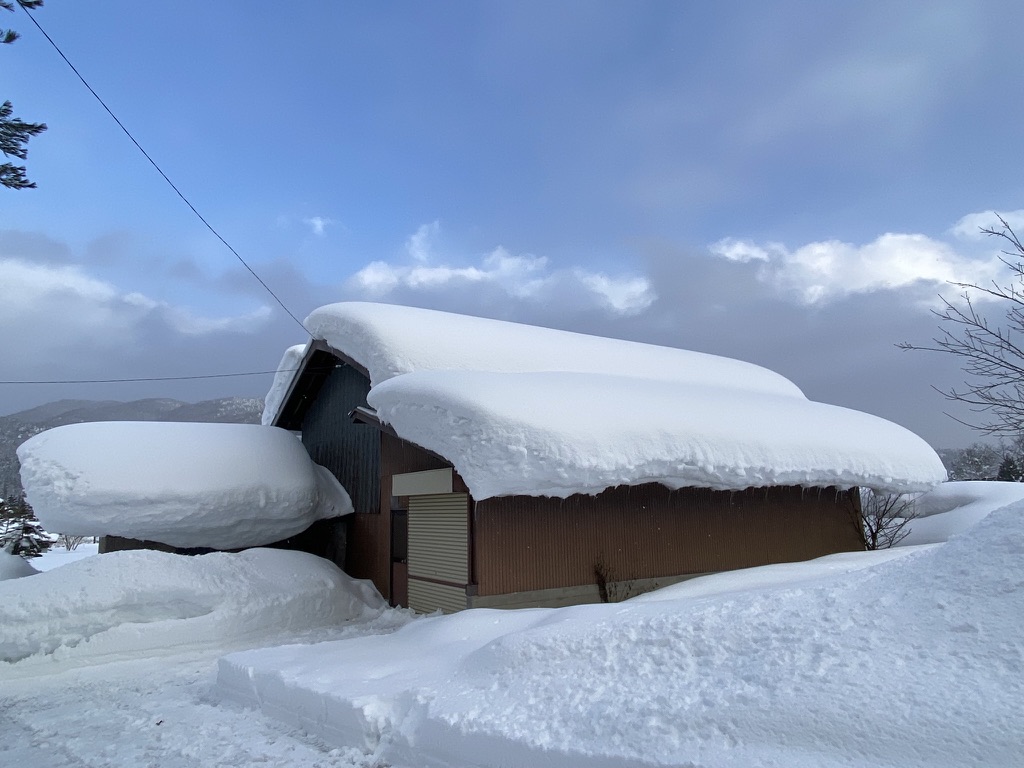
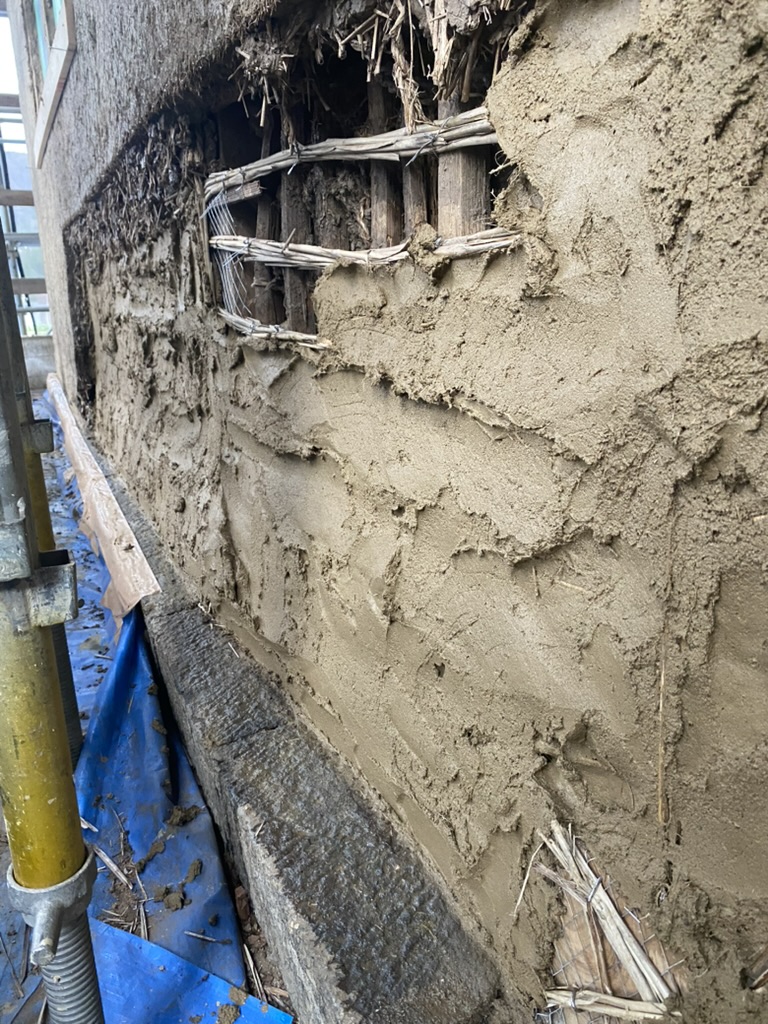
The clay wall restoration alone took around two months. Rare clay was brought from the Noto Peninsula, one of only a small number of areas in Japan where this material is available.
Original beams, timber markings and historic surfaces were preserved wherever possible.
When we first discovered the kura, much of its beauty was hidden behind later additions. Rather than replace it, we chose to restore it with respect for its history, preserving the original timber structure while introducing modern comfort for today's guests.
One of the highlights of the restoration was the traditional clay walls. Rare clay from the Noto Peninsula was used by skilled craftsmen over two months, carefully restoring the walls using techniques that have been passed down through generations.
Today, The Kura Hakuba welcomes guests from around the world, offering a unique opportunity to experience authentic Japanese architecture in the heart of Hakuba.
The kura had been hidden behind later additions for many years.
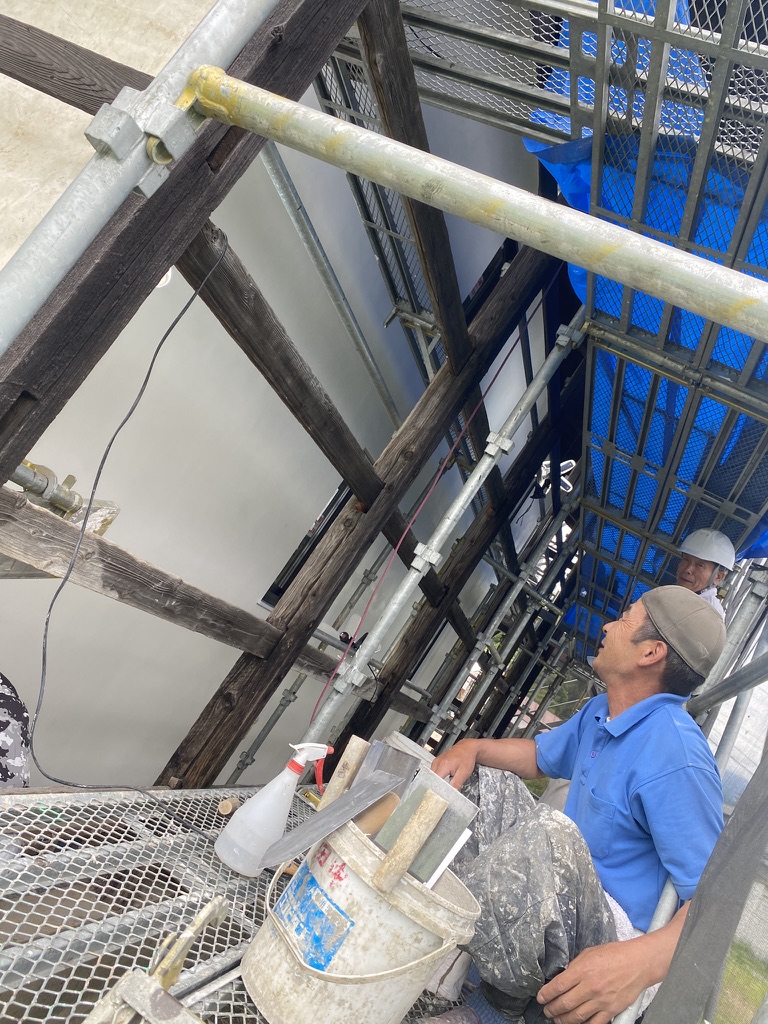
Original timber, traditional clay walls and skilled craftsmanship brought the building back to life.
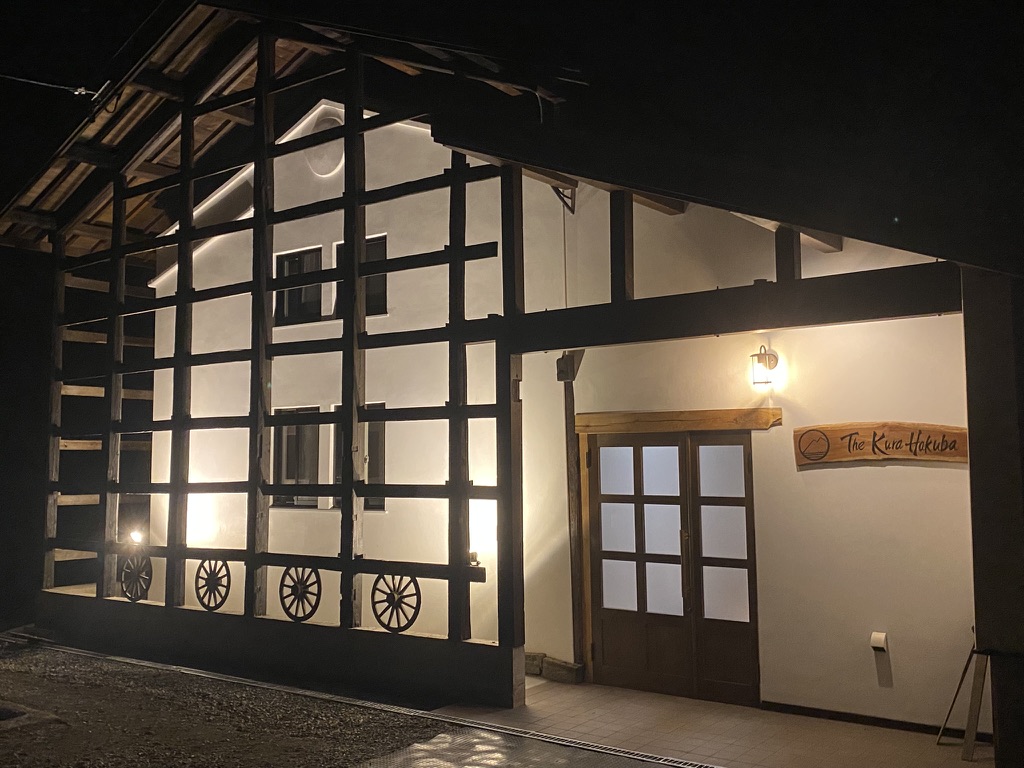
A restored traditional kura, ready to welcome guests from around the world.
We live next to the kura, so guests have local help nearby while still enjoying complete privacy.
We’re happy to share practical advice about Hakuba, winter travel, restaurants, onsen and the surrounding mountains.
Tora lives next door and may occasionally appear around the property. He is part of everyday life at The Kura Hakuba.